When to Use Flexible vs Solid Industrial Control Wire
High-flex control cable is the best solution for certain installations. Without the right cable selection, a conveyor line can suddenly go down; a robotic arm can fail mid-cycle. There are distinct times when flexible is a better choice than solid industrial control wire, and the choice impacts how your control panel holds up to real-life operating conditions.
The difference between flex control cable performance and solid cable performance in dynamic applications is significant. Wiring and cable choices are among the leading contributors towards quality and reliability issues in automation equipment. High-flex control cables can bend millions of times without damage, whereas solid cables can quickly degrade with vibration, repeated motion, and tight bends.
Key Takeaways
- Motion and vibration require flexible wire, especially in dynamic applications like robotics, conveyors, and drag chains.
- High-flex control cable is constructed with finer stranding and flexible insulation.
- Solid wire is a good choice for fixed, permanent installations like building wiring, conduit runs, and static panels.
- Regardless of the wire type, proper termination is essential.
Understanding the Basics of Stranded vs. Solid Conductors
If you’re deciding on cable, it’s important to get the decision right up front. You’ll save a lot of issues like premature failure, maintenance hassles, and compliance issues down the road. While mistakes can be fixed after the fact, it’s less costly and more efficient to get the decision right at the beginning.
When to Choose Flexible Wiring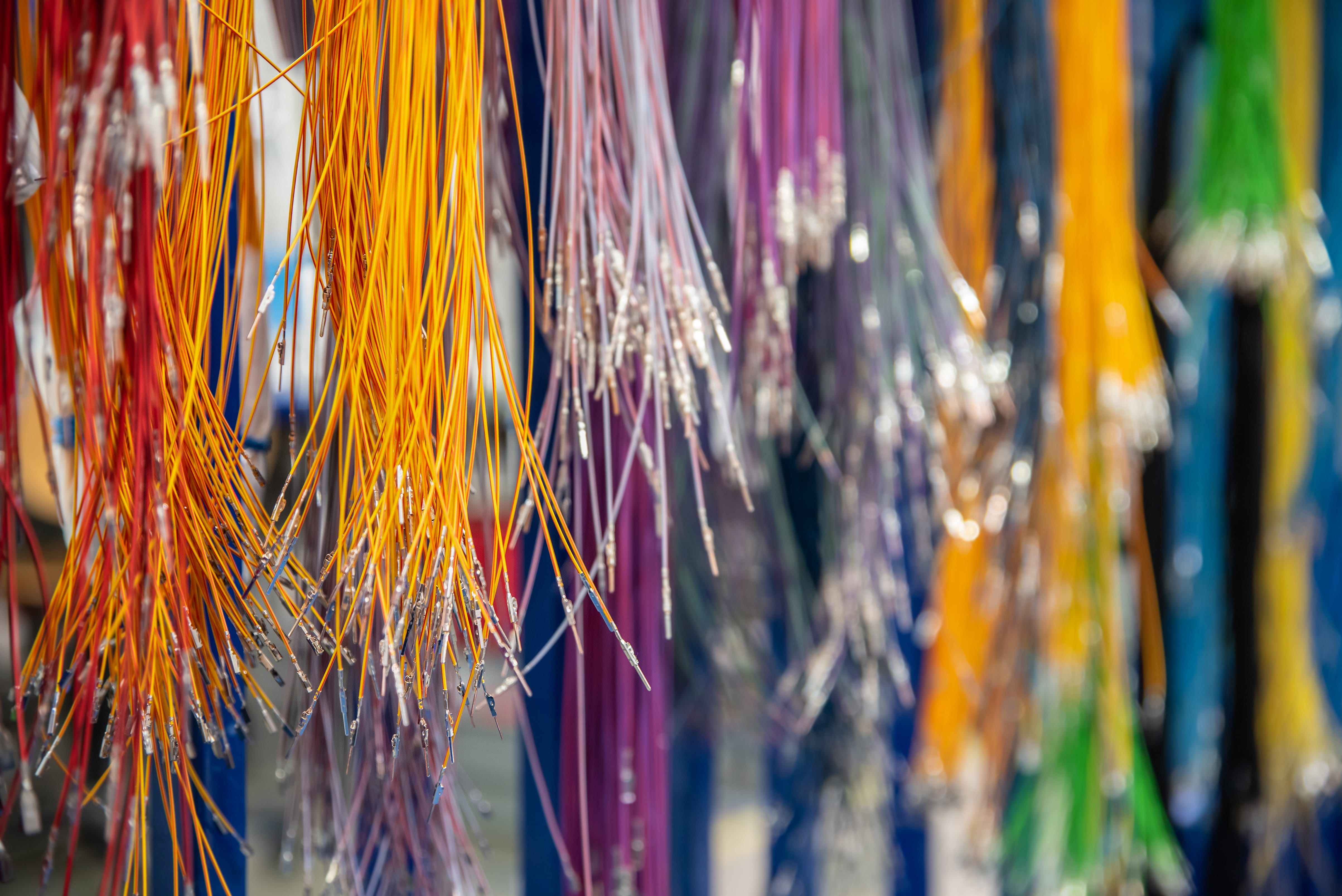
High-flex wiring is the standard choice for any applications that call for movement, vibration, or repeated flexing. Flexible wire is the right choice for machine-integrated panels, robotics, and conveyor systems.
In dynamic applications, solid wire will “work harden” and crack. We often see it happening at termination points and bends, where strain and movement are concentrated in the automation process.
Why does work hardening happen? It starts at the metallurgical level. When copper wire is bent repeatedly, the crystal structure of the metal is disrupted. Dislocations (tiny defects in the grain) add up, and the metal becomes more rigid and brittle. Eventually, the wire can no longer absorb mechanical stress by flexing slightly, and instead, it cracks.
Flexible wire contains multiple strands, so no single component has to absorb the stress. In an industrial setting, solid wire can fail intermittently. Often, there’s a partial crack that makes contact in some conditions and not in others, making it very hard to diagnose. By the time the wire completely fails (and the root cause is obvious), the costs of labor and downtime have compounded.
It’s also important to choose flexible wire over solid when space is limited and panels are packed tightly. Flexible cable can handle tighter bends more reliably, for a better fit and less long-term stress.
High-flex control cable is a special category of flexible cable and wiring that is used in continuous motion applications, such as cable tracks and drag chains. These cables feature finer stranding and flexible insulation. The term “high flex” isn’t just for marketing purposes. These wires are made to withstand thousands and even millions of flex cycles. Compared to standard stranded wire.
High-flex control cable is also engineered to handle tighter minimum bend radii without damaging insulation or leading to conduct fatigue. For compact cable track installations, this can result in a marked difference for cable cycling through the same arc.
Jacket materials for high-flex cable are also important. PVC jackets are the most common and affordable option. But PVC can stiffen in colder temperatures and deteriorate more quickly with continuous flexing. For these applications, Polyurethane (PUR) jackets are a better choice. They’re abrasion-resistant, flexible over a wide temperature range, and suited to environments that may include coolant, oil, or industrial fluids.
High-flex cable is the top choice for machines that include a cable track or drag chain. You’ll see this cable in automotive assembly, where robotic welding and handling equipment may need to run high-cycle motion continuously. Packaging and palletizing lines also rely on high-flex cable to support constant repetitive movement.
High-flex cable is also generally easier to handle and work with during installation and assembly. The wire is more pliable within the wire duct, so it reduces the risk of insulation damage during the installation process. Choosing something other than high-flex cable in a dynamic application creates a reliability risk that tends to show at the very worst possible moments.
When Solid Wire Is Appropriate
Solid wire has its benefits in certain applications. It’s often the standard pick for fixed, permanent installations. It’s well-suited for situations where the wire won’t move or experience vibration:
- Building wiring
- Conduit runs
- Static panels
Solid wire holds its shape after bending. In fixed configurations, this can simplify the routing process and help you forgo additional support wire. This characteristic makes solid wire a sensible option in the right context. For example, in a fixed panel installation, solid wire simplifies the build. It stays where you put it and routes cleanly through the conduit. It doesn’t require the same attention to termination management that stranded wire does. For panel builders working in high-volume static applications, the ease can add up to significant time savings during assembly.
In some low-current signal applications, solid wire also delivers a more reliable termination at certain connector models that grip solid wire more consistently than fine-stranded wire.
Solid wire is also a cost-saver. It’s less expensive than stranded wire and significantly less expensive than most true high-flex cable choices. For applications where the wire doesn’t need to move, vibrate, or hold up to mechanical stress, it makes sense to avoid paying a premium for wire flexibility you don’t need.
When deciding on solid wire, the keyword is static. If the wire will stay completely static during normal operation, then solid wire is usually the right call. It’s important to assess your choice, however. For designs that start static and evolve into something more dynamic, you need a corresponding rethink of the wiring spec.
Wire Termination Reliability
Termination points are one of the most common points of failure for stranded wire. Both wire selection and proper installation techniques are essential.
Stranded conductors fan out or wick solder, which can cause unreliable connections if they aren’t properly managed. Typically, this involves using ferrules—metal sleeves, usually of copper or tin-plated, that are crimped onto the stranded wire ends before termination. In industrial panels, ferrules create a solid, uniform termination point that performs dependably in screw-type and spring-cage terminal blocks. Without a ferrule, the stranded wire ends fan out, and individual strands can miss the terminal, leading to an uneven connection.
Ferrule selection should match the wire gauge. Oversized ferrules won’t crimp properly, and undersized ones can damage conductors. For most panel wiring, insulated ferrules are a standard choice. These include color-coding that corresponds to wire gauge for ease of assembly and insulation.
Uninsulated ferrules are often used when space is tight or when a connector’s shape calls for a lower-profile termination. For panel builders, proper ferrule practice is second nature, but in the field, ferrules are often skipped or mis-sized, causing them to be a common source of intermittent connection problems.
Solid wire terminates more directly, but the termination points are still vulnerable. They can be prone to nicking and breaking at termination points during maintenance, especially for panels that need frequent access.
Wire Vibration Resistance
Any movement can impact the wire. Solid wire isn’t designed to sustain vibration and movement. Over the long haul, metal fatigues, leading to tiny fractures and cracking that often remain unnoticed until system failure happens.
Stranded wire, on the other hand, has multiple filaments (or strands) that distribute vibration stress and protect against fatigue. Stranded wire can withstand high-vibration and dynamic environments.
Even the best-made solid-wire connections will get loose under sustained vibration. Vibration leads to resistance, extra heat, and eventual failure, so it’s essential to get it right.
In high vibration environments, the default answer is almost always stranded wire with properly crimped ferrules. The selection helps the wires sustain connection integrity in many different circumstances. Solid wire can’t match the reliability of stranded wire for vibration and moving environments.
Long-Term Wire Durability Considerations
So, what is the right choice for the longest-term durability? Stranded wire or solid wire?
A solid conductor that’s inside a conduit or wire duct can cause intermittent faults for months before it becomes apparent as the source of the problem. Often these issues are expensive, disruptive, and difficult to diagnose.
High-flex cable is the better choice up front in motion applications. The cost differential between flexible and solid wire is negligible, especially when weighed against the cost of field failure.
Standard stranded wire may not stand up to constant motion or high-cycle flexing. High-flex cable is the lower-risk, lower-lifetime-cost choice.
It’s also important to consider environmental aspects such as temperature fluctuations or contact with chemicals like oil and coolant. These requirements should inform your choice of conductor and insulation, along with the question of flexible vs. solid wire selection.
Conductor type is only part of the equation when it comes to reliable wire performance. It’s also essential that you source wire from a knowledgeable supplier who can ensure you have the right product for your particular application.
Not all flex control cables are built to the same standards. Suppliers must have familiarity with UL standards. Machinery-integrated installations reduce the risk of misapplication.
At IEWC, we’ll help you select the right conductor type, gauge, insulation, and flex rating for your unique requirements. We’ll make sure you have the right wire for your industrial application, whether it’s for a static panel or a high-cycle motion system. Reach out today to request a quote.
Related Resources
What is a Cable?
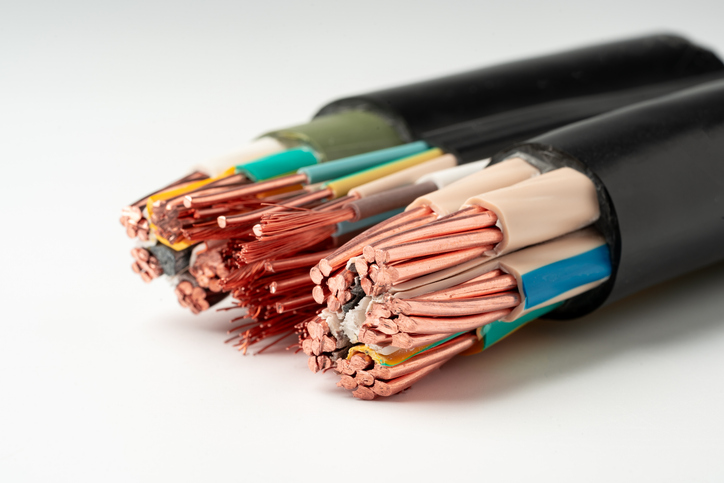
Cable, or cabling, consists of the twisting together of two or more insulated conductors.Learn More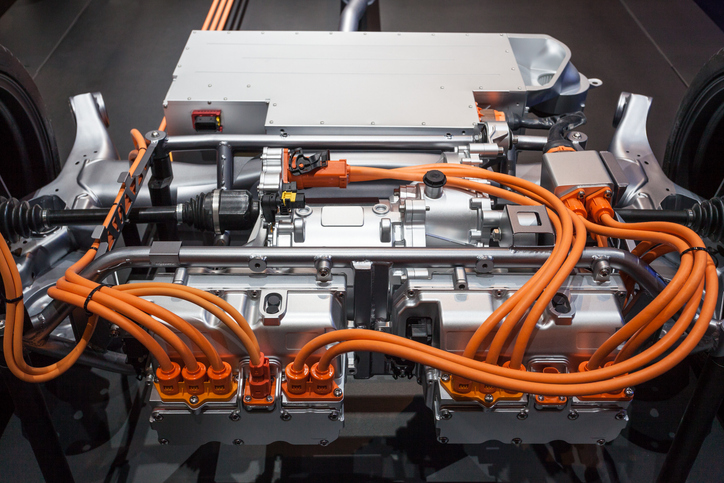
High Voltage Wire & Cable Guide
High-voltage or HV wire and cable are necessary for many industrial applications that rely on dependable high-power transmission. Whether you’re looking for the right HV cable for your application or trying to learn more about how HV wire and cable work, we’ll break it down for you.Learn More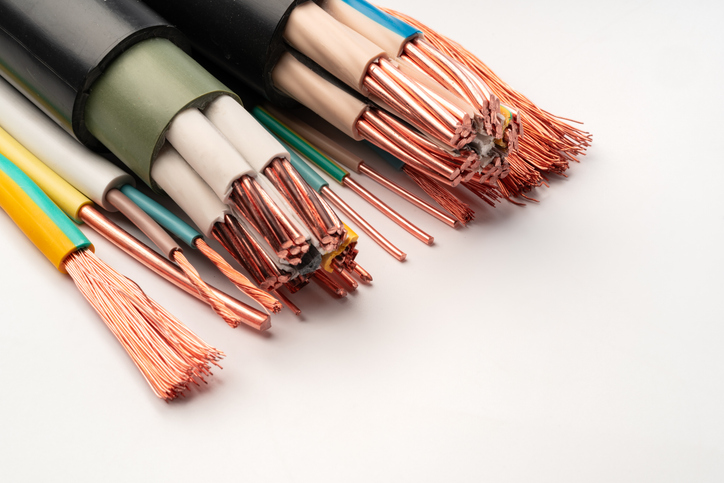
How to Choose the Right Wire or Cable
In selecting a wire or cable for an application, several factors should be considered. Learn More